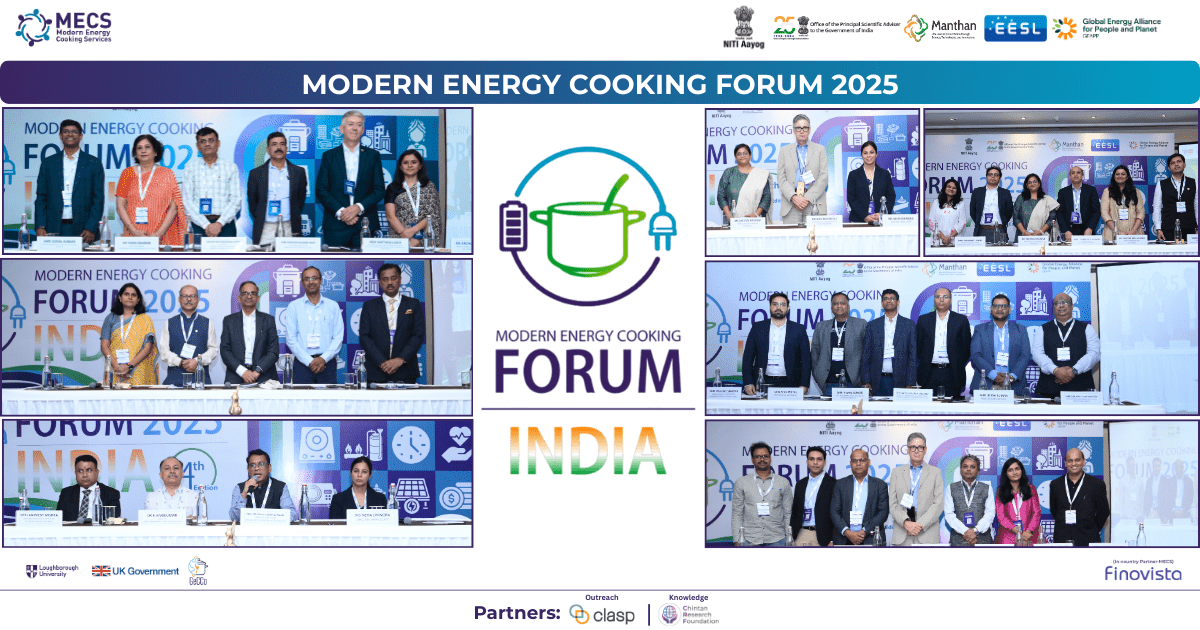
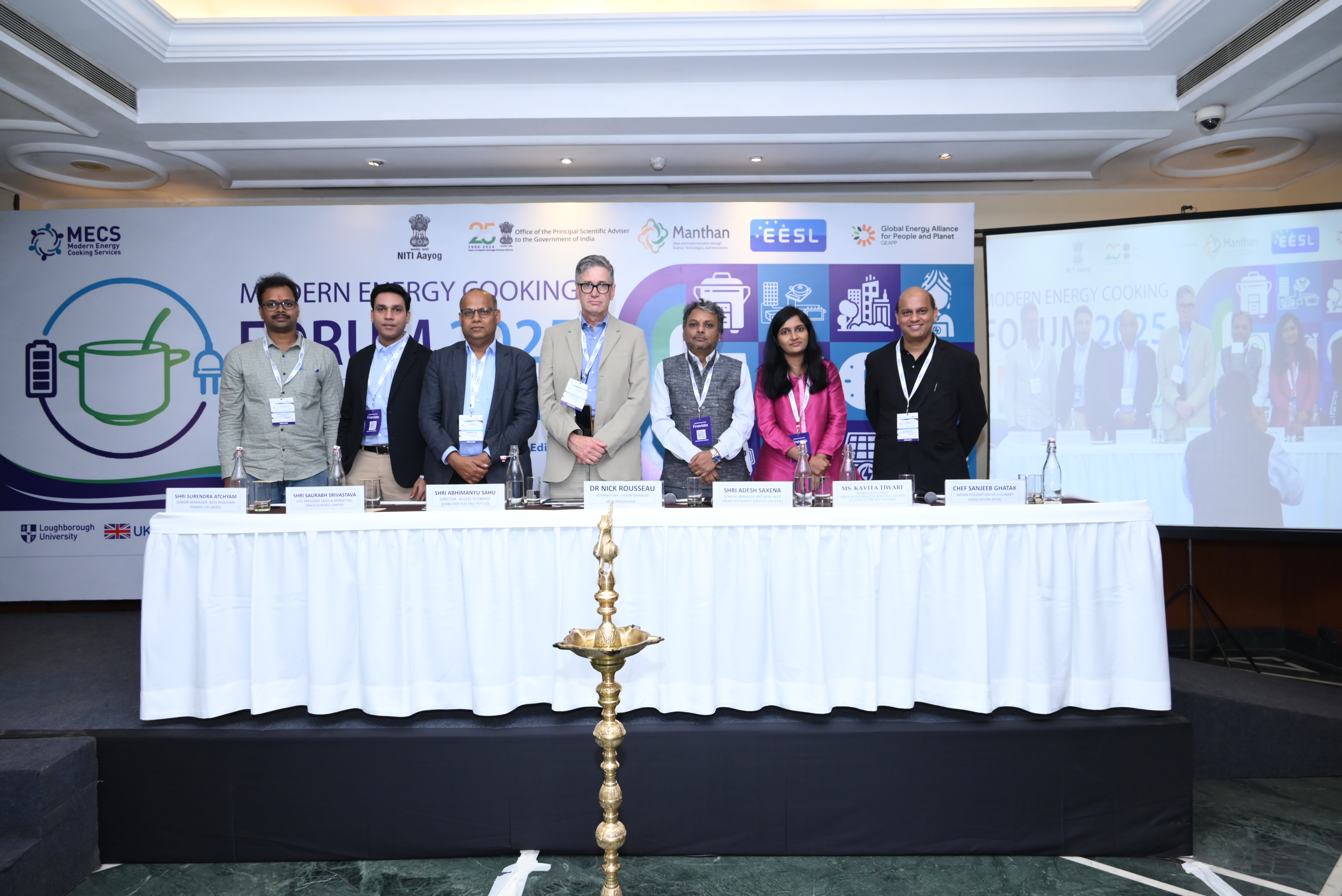
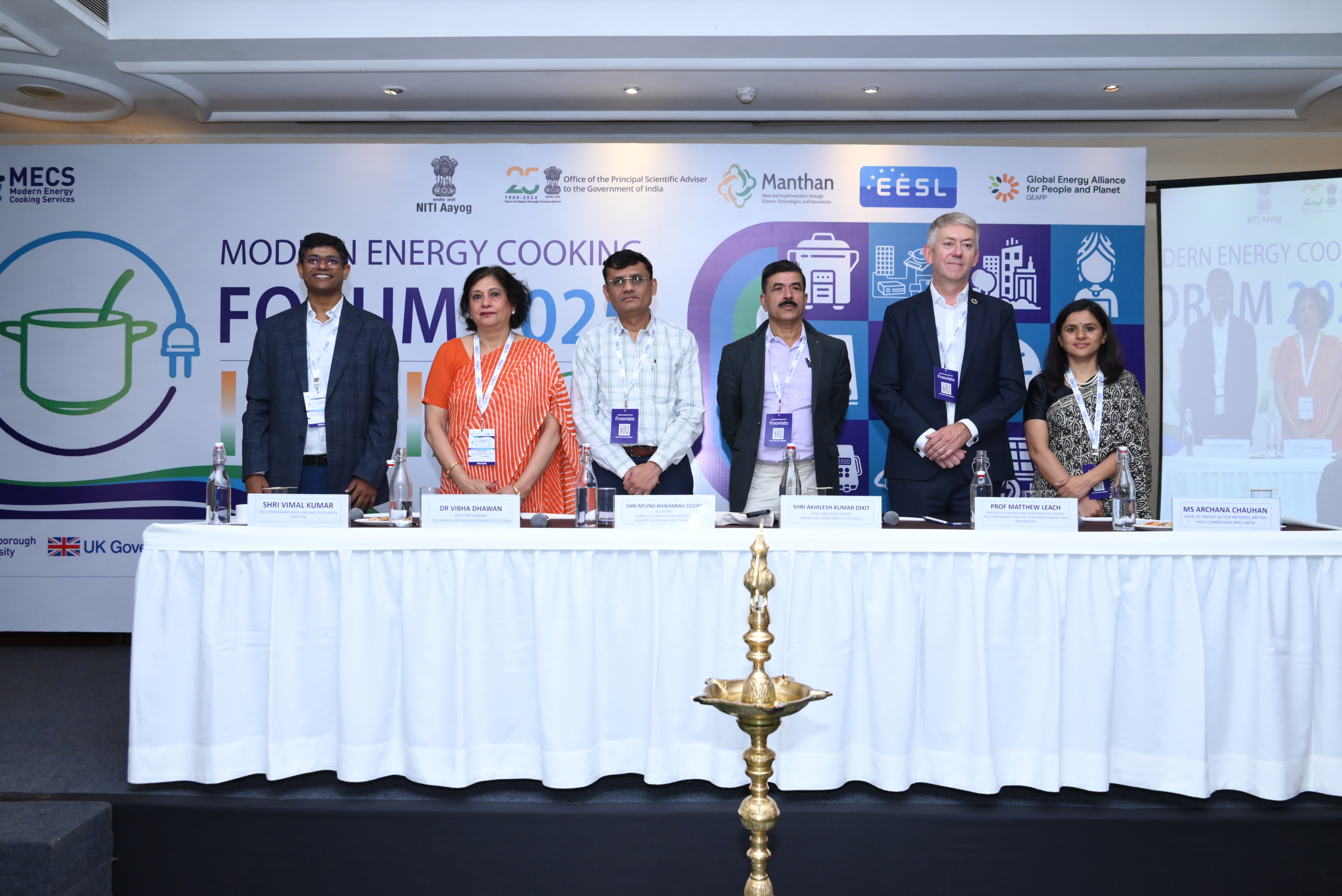
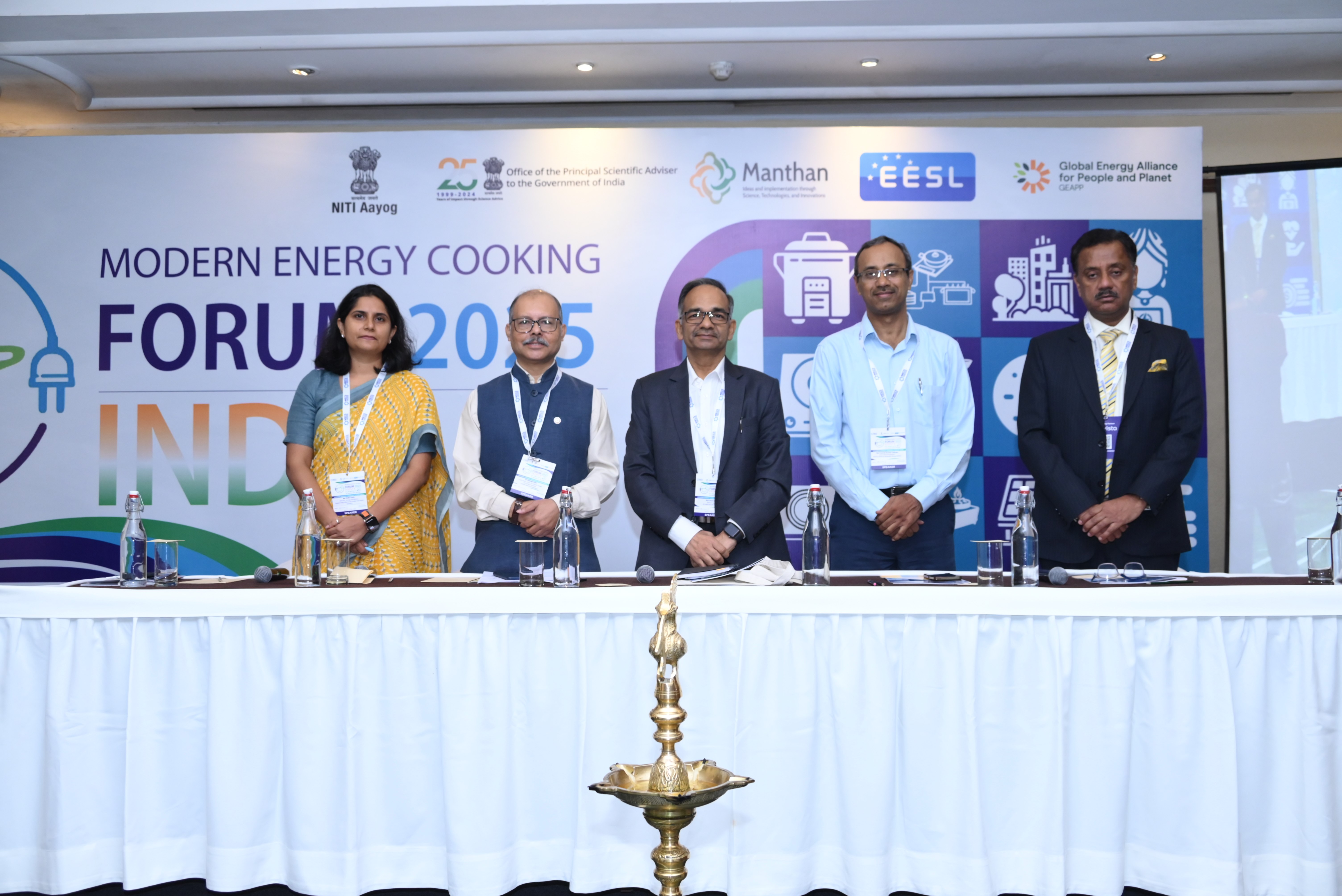
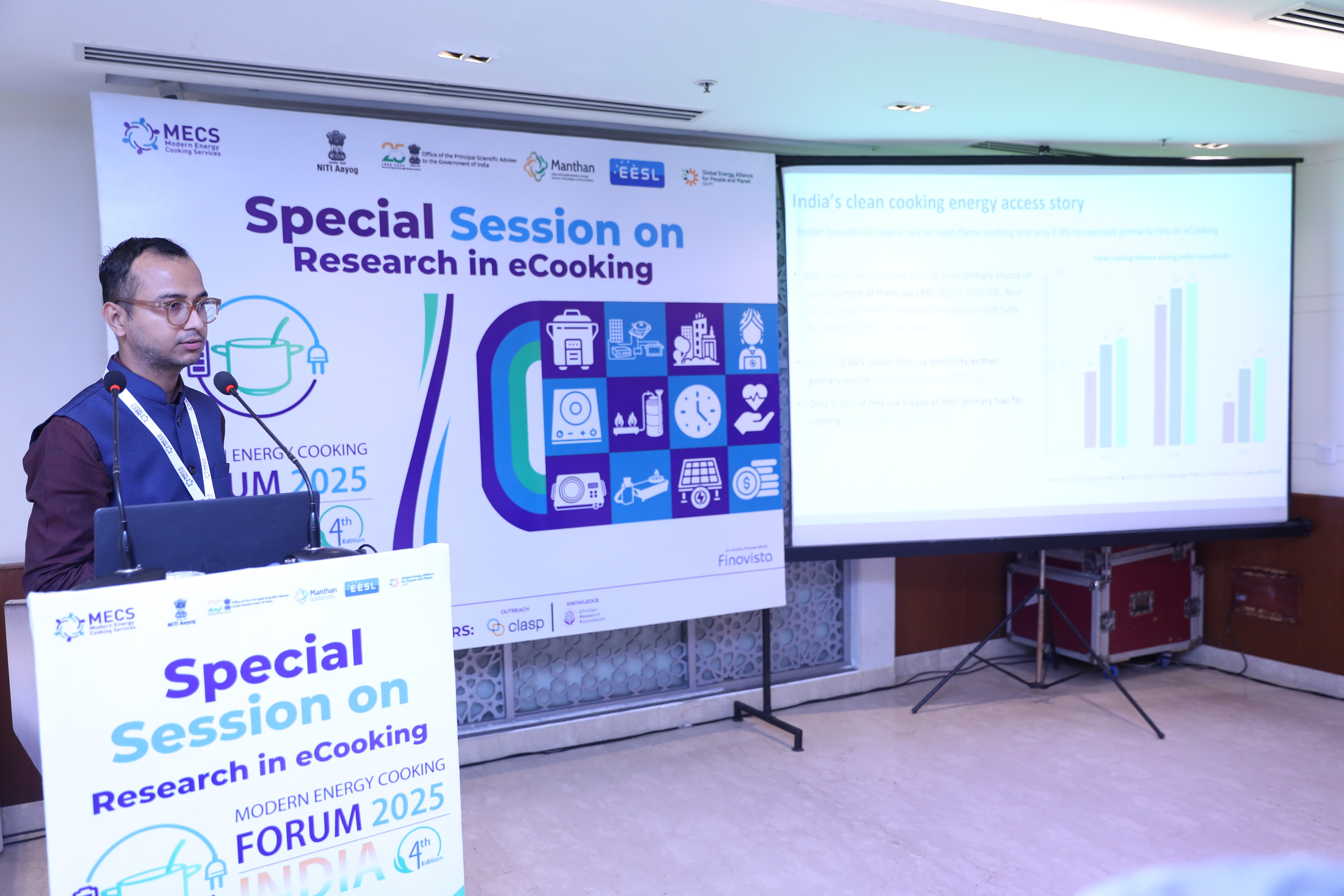
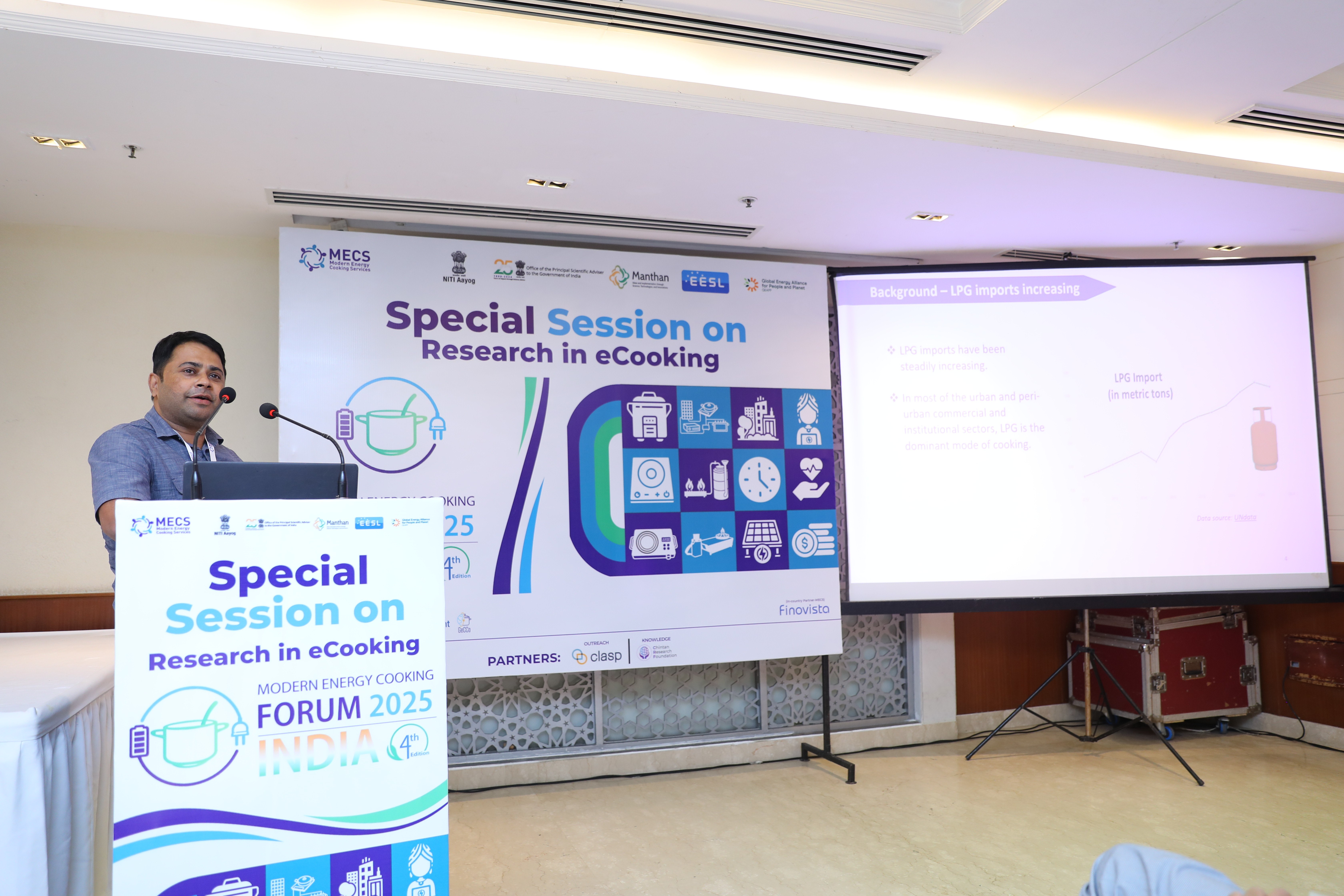
The fourth edition of the Modern Energy Cooking Forum 2025 was successfully organised today by the Modern Energy Cooking Services Programme through its in country partner Finovista. The Forum was supported by NITI Aayog, Office of the Principal Scientific Advisor (O/o PSA) to the Government of India, Energy Efficiency Services Limited (EESL) and Global Energy Alliance for People and Planet.
Clean cooking, which refers to using fuels that are less polluting in the kitchen, such as LPG/PNG, biogas, ethanol, solar, and electricity for cooking purposes, has been on the development agenda for decades. In recent years, it has become a major priority on the global development agenda as part of Sustainable Development Goal (SDG) 7: Affordable and Clean Energy of the World Bank. Globally, more than 2 billion people lack access to clean cooking energy and rely on traditional fuels for their daily cooking requirements. In India, 63.4% of households use clean fuels like LPG for cooking, with urban penetration at 92.9% and rural at just 49.3%. After universal access to electric energy, the biggest energy access challenge that India needs to resolve is the transition to clean cooking. Consequently, this causes twin problems of high ambient air pollution coupled with health hazards for vulnerable sections of society, including women and children. The World Health Organisation (WHO) estimates that 40% of premature deaths due to air pollution are attributable to IAP, resulting in 4 million premature deaths annually worldwide (WHO, 2012), including more than 1.2 million deaths in India every year. The magnitude of the challenge is large, creating a huge adverse impact on the economy and the well-being of the people.
Electric cooking (eCooking) offers a clean, efficient, convenient, and cost-effective alternative, producing no harmful emissions and supporting safer kitchen environments. Devices like induction cooktops and electric pressure cookers are up to 83% efficient, compared to 40% for LPG, and reduce dependency on gas refills. At a national level, India imports over USD 125 billion worth of fossil fuels annually, highlighting the need for sustainable and locally available energy alternatives. Recognising this, the Government of India is actively promoting electric mobility and electric cooking through initiatives like the Go Electric Campaign (2021), and programmes supporting energy-efficient cooking. With India becoming an electricity-surplus nation in 2020, achieving 50% of its installed capacity from renewable sources and offering 22–24 hours of electricity access, even in rural and remote areas, there is a timely opportunity to transition to electric-based cooking solutions..
Modern Energy Cooking Services (MECS) Programme in India
Modern Energy Cooking Services (MECS) is an eight-year research programme funded by UK Aid (FCDO) and led by Loughborough University. The MECS programme researches the socio-economic realities of a transition from polluting fuels to a range of modern fuels. Whilst the research covers several clean fuels, the evidence is pointing to the viability, cost-effectiveness, and user satisfaction that energy-efficient electric cooking devices provide. The programme works in close collaboration with NGOs, governments, the private sector, academia, policy representatives, and communities across 16 countries to accelerate the shift from biomass to genuinely clean cooking.
In India, the programme was launched in early 2020 and works across the intersections of policy, finance, supply chain and promotion of electric cooking to enable the transition to modern fuels for cooking. It supports India’s emergence as a global hub for manufacturing clean cooking devices for domestic and international markets, aligned with the Atmanirbhar Bharat and Make in India missions, as well as the objectives of the GoElectric and LiFE (Lifestylefor Environment) campaigns launched by the Government of India.
Modern Energy Cooking Forum
The Modern Energy Cooking Forum (MECF), launched in 2022, is serving as a key platform for dialogue among government, industry, academia, and civil society to accelerate the adoption of clean and electric cooking in India. Recognising that a holistic approach is being considered essential, MECF discussions are focusing on policy, consumer awareness, finance, and supply chains. Over successive editions, the forum is evolving from evidence-building to implementation strategies, while highlighting the importance of gender inclusion and grassroots deployment. MECF’s core priorities are including the development of carbon finance-based business models, scaling the Go Electric campaign at the state level, expanding eCooking adoption in institutions and commercial kitchens, and engaging with power regulators to ensure affordable electricity tariffs.
As a direct outcome of the MECS Programme and the efforts of the Modern Energy Cooking Forum, several organisations initiated impactful clean cooking initiatives across India. GIZ launched the Green Cooking Programme, providing technical assistance to six mandated states for implementing state-level green cooking strategies. Shell Foundation undertook a project to assess the impact of providing electric or clean cooking solutions to street food vendors on their income levels. Additionally, Finovista and MECS partnered with FSR Global, the Delegation of the European Union to India, and UN Women on “The Energy Dozen” – a flagship initiative led by FSR Global aimed at advancing gender-inclusive energy access solutions. Additionally, IndianOil, in collaboration with Finovista, organised a workshop on “Catalysing Corporate Partnerships for Surya Nutan (Indoor Solar Cooking System)”, aimed at leveraging policy support, carbon credits, CSR funds, and corporate partnerships to finance clean cooking projects, including Surya Nutan and expand their reach to underserved communities..
Modern Energy Cooking Forum 2025
In 2025, the Modern Energy Cooking Services (MECS) programme is conducting a comprehensive stocktake to assess the current state of modern energy cooking in India, mapping progress since 2020 and identifying strategic interventions for scaling clean cooking solutions.
This collaborative effort involves consultations with experienced stakeholders to highlight gaps, propose impactful solutions, and develop a coordinated roadmap to be implemented by 2030.
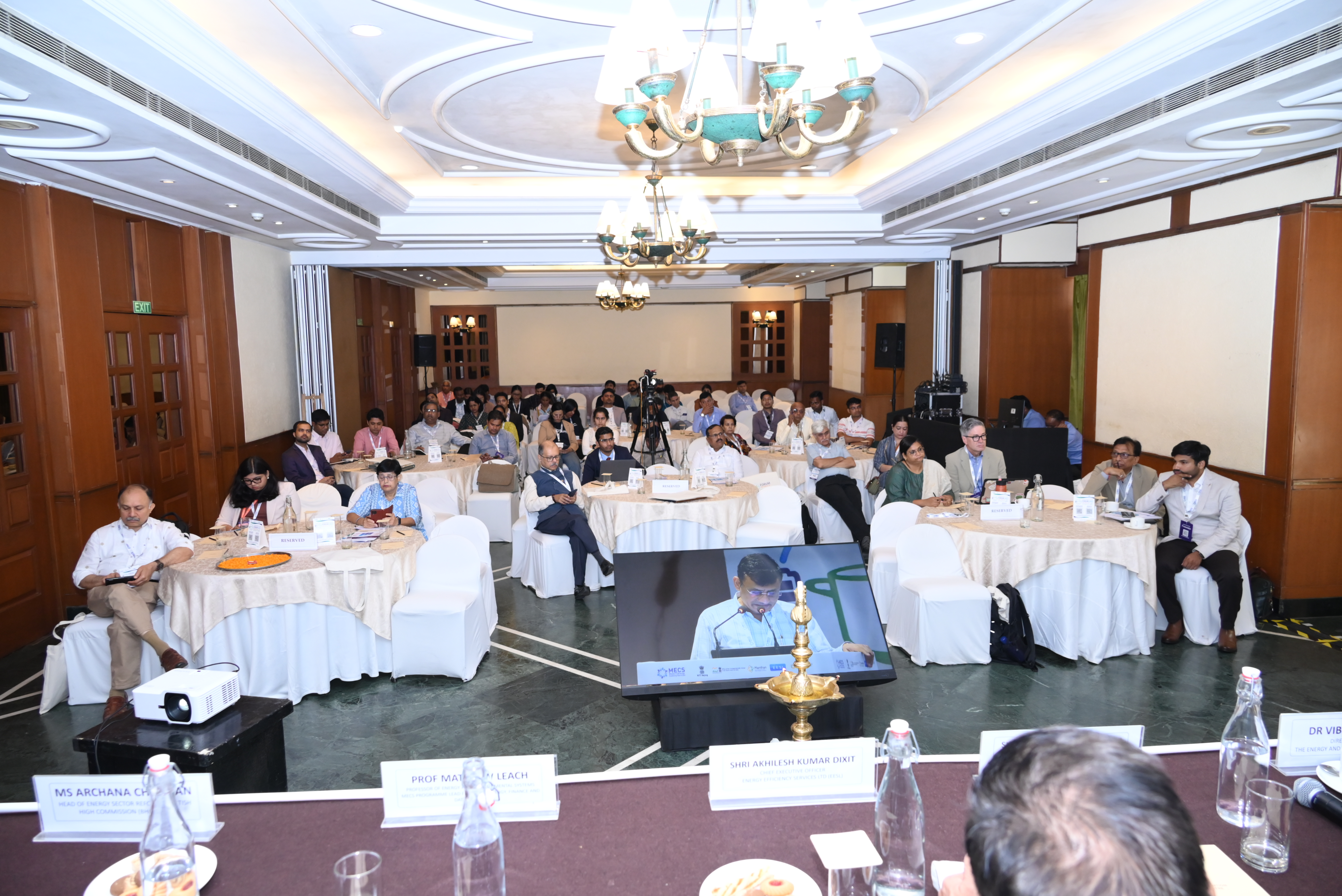
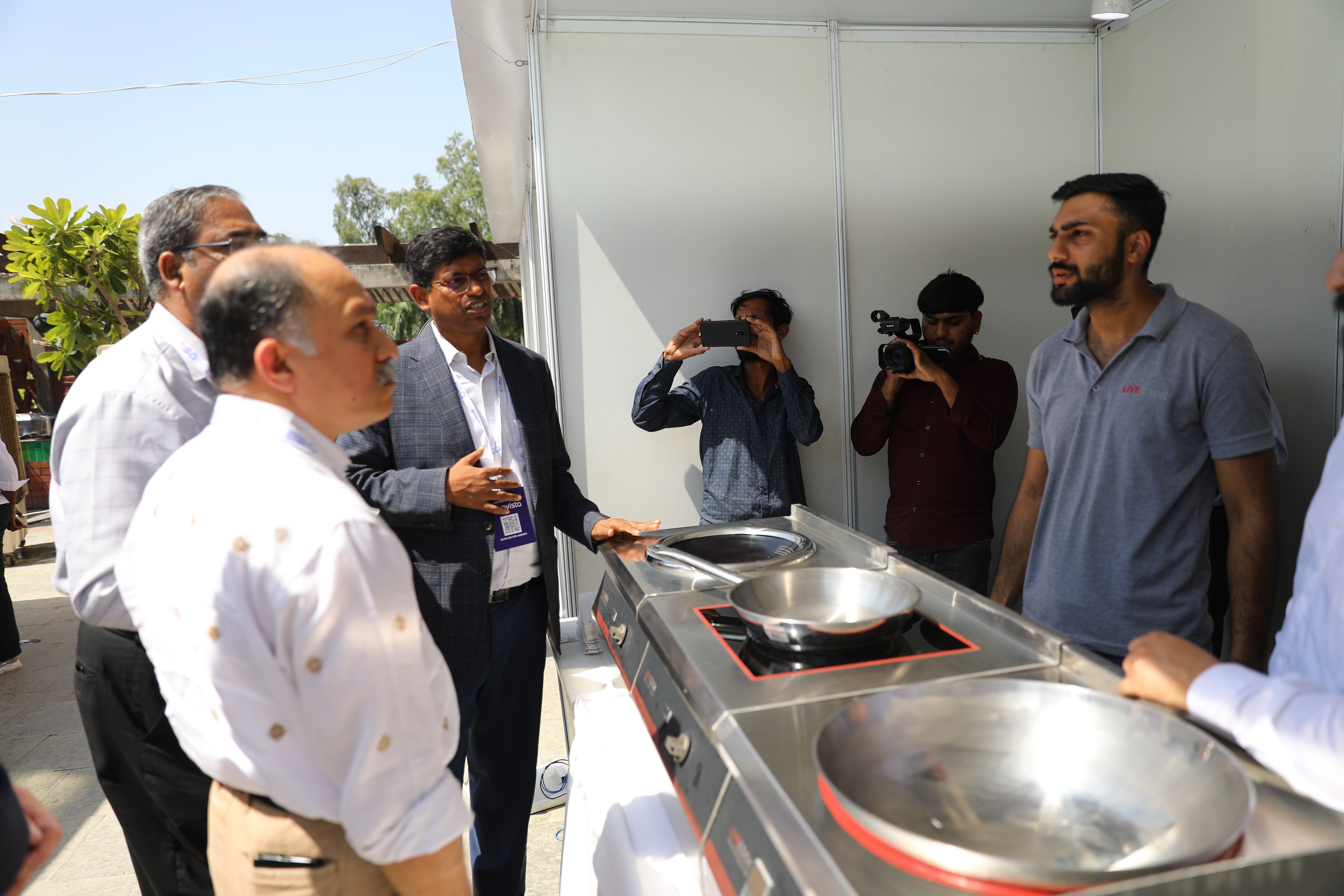
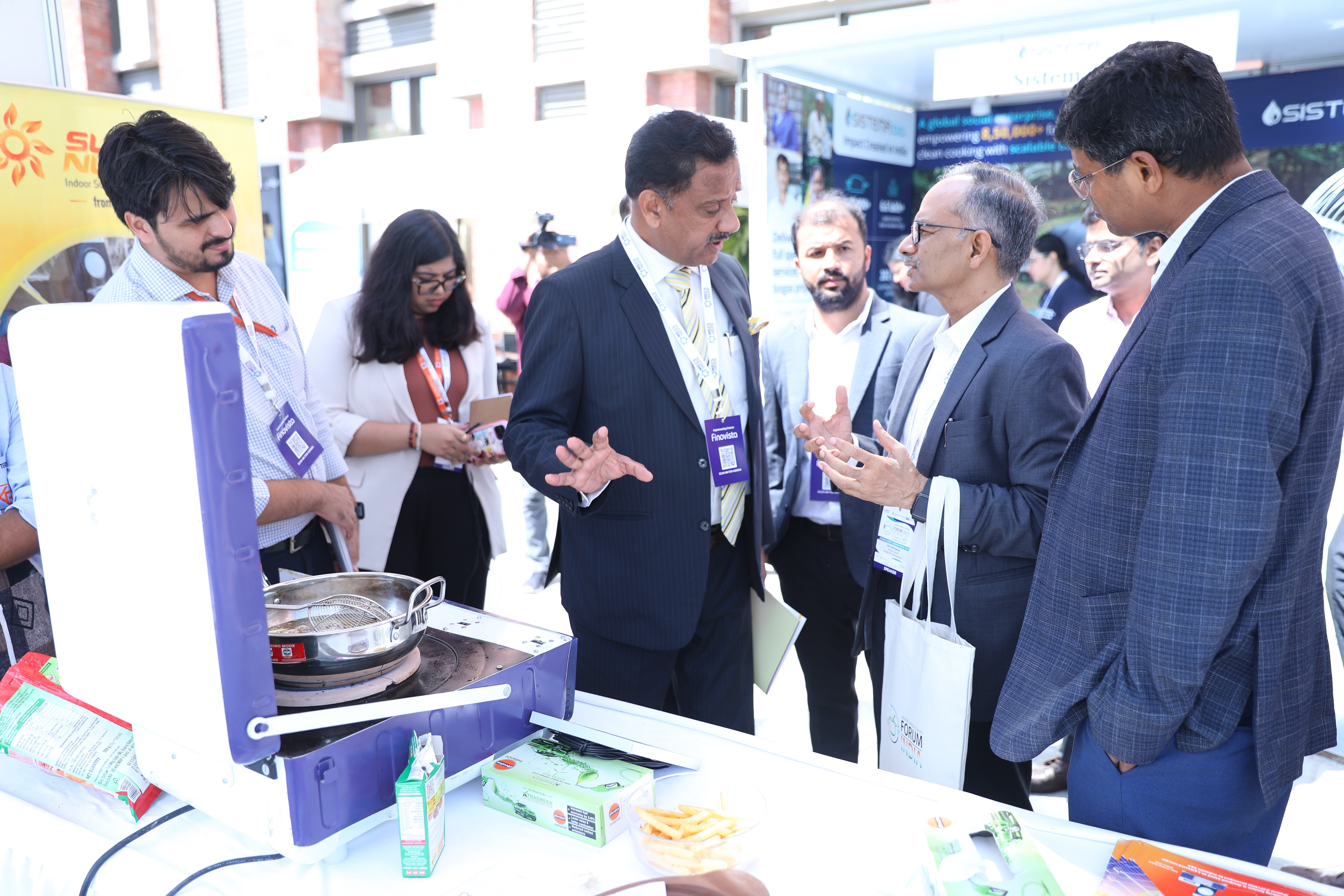
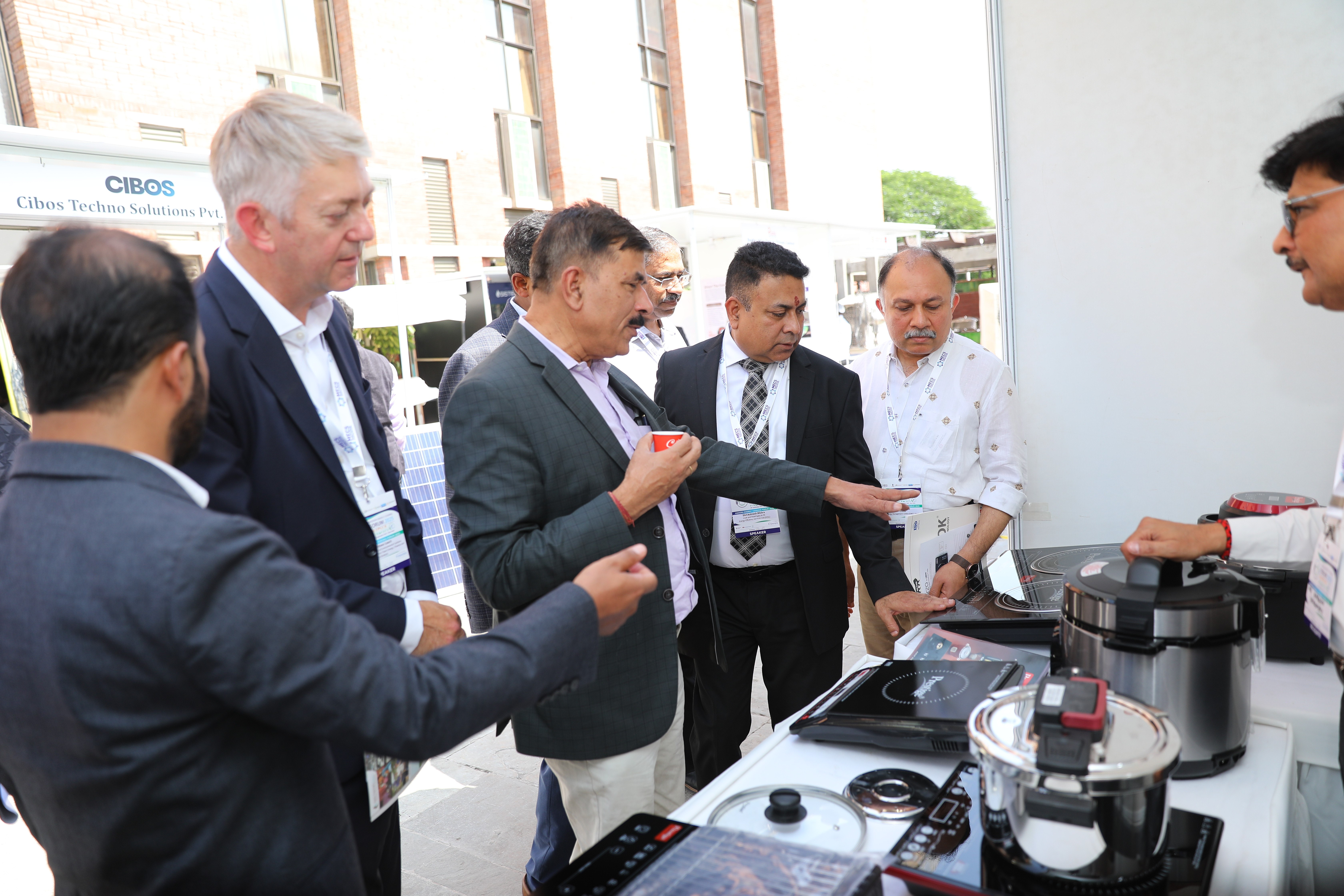
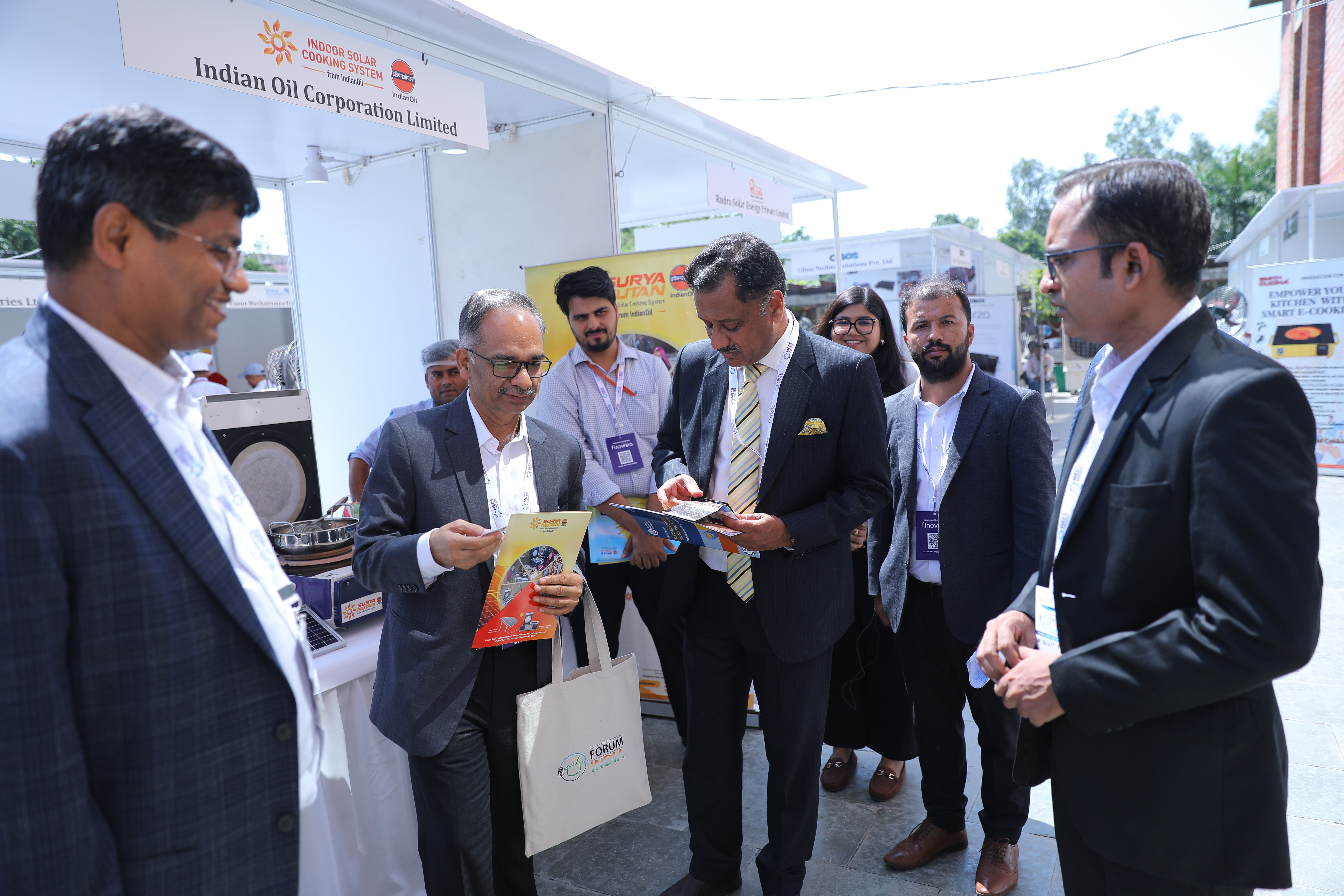
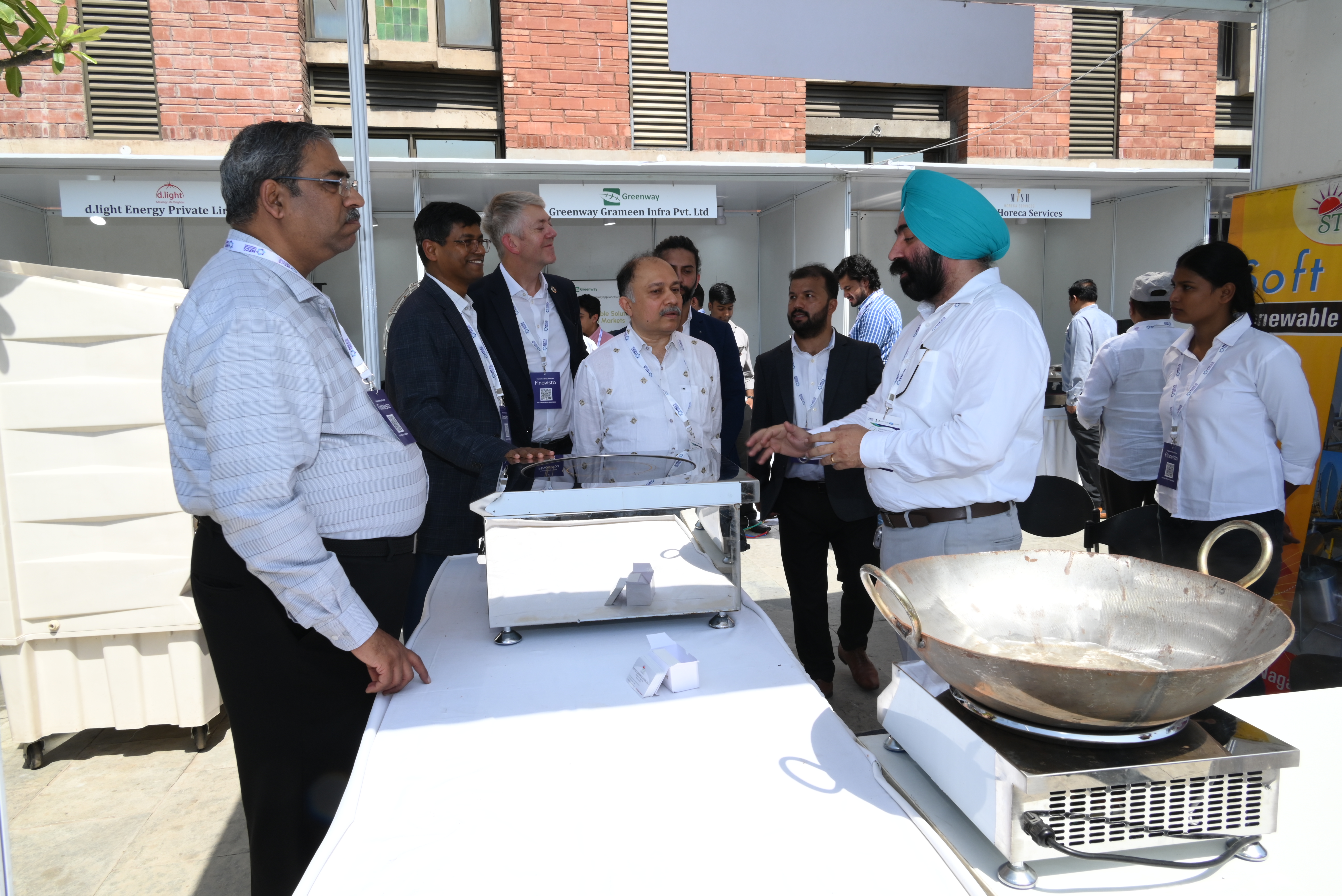
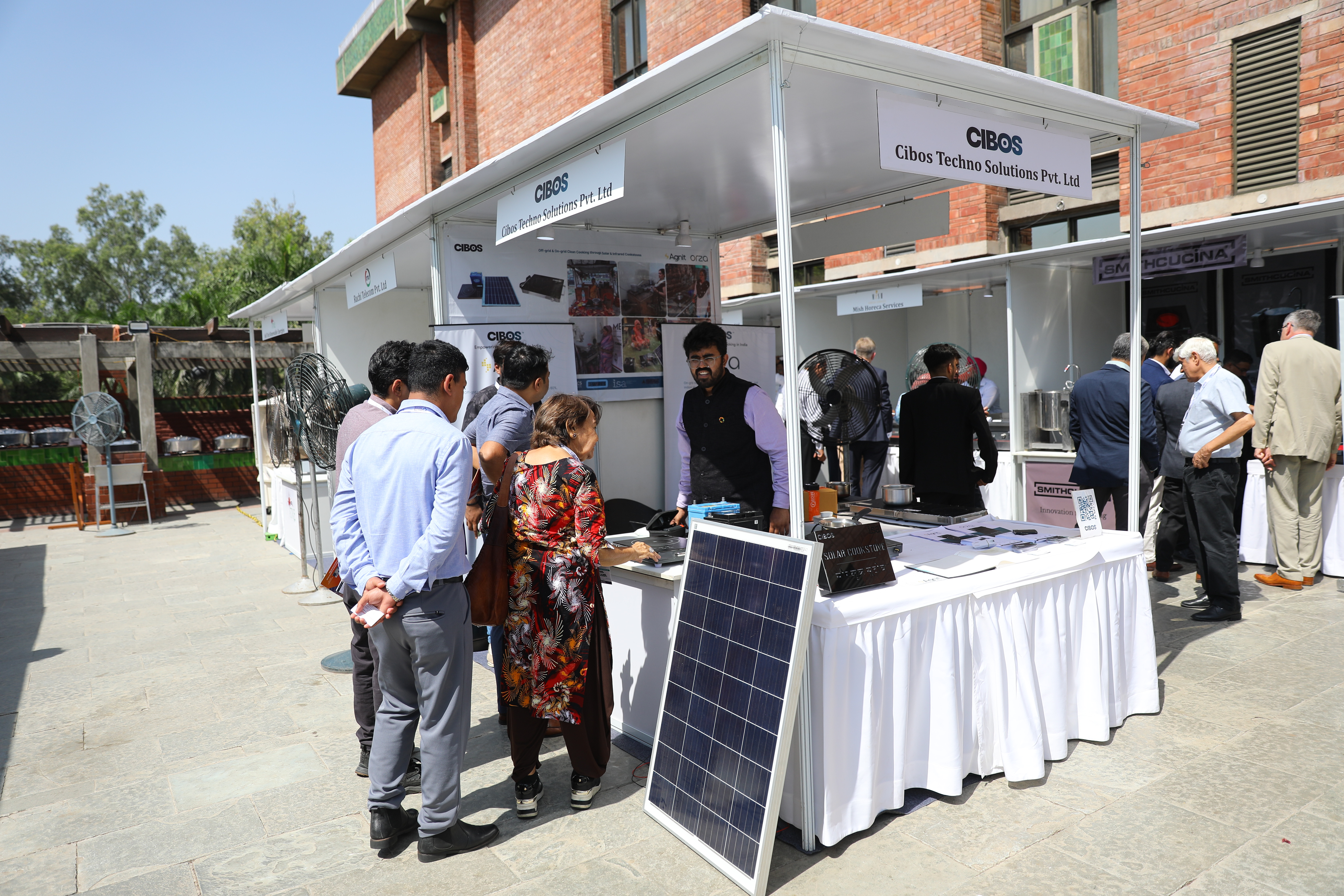
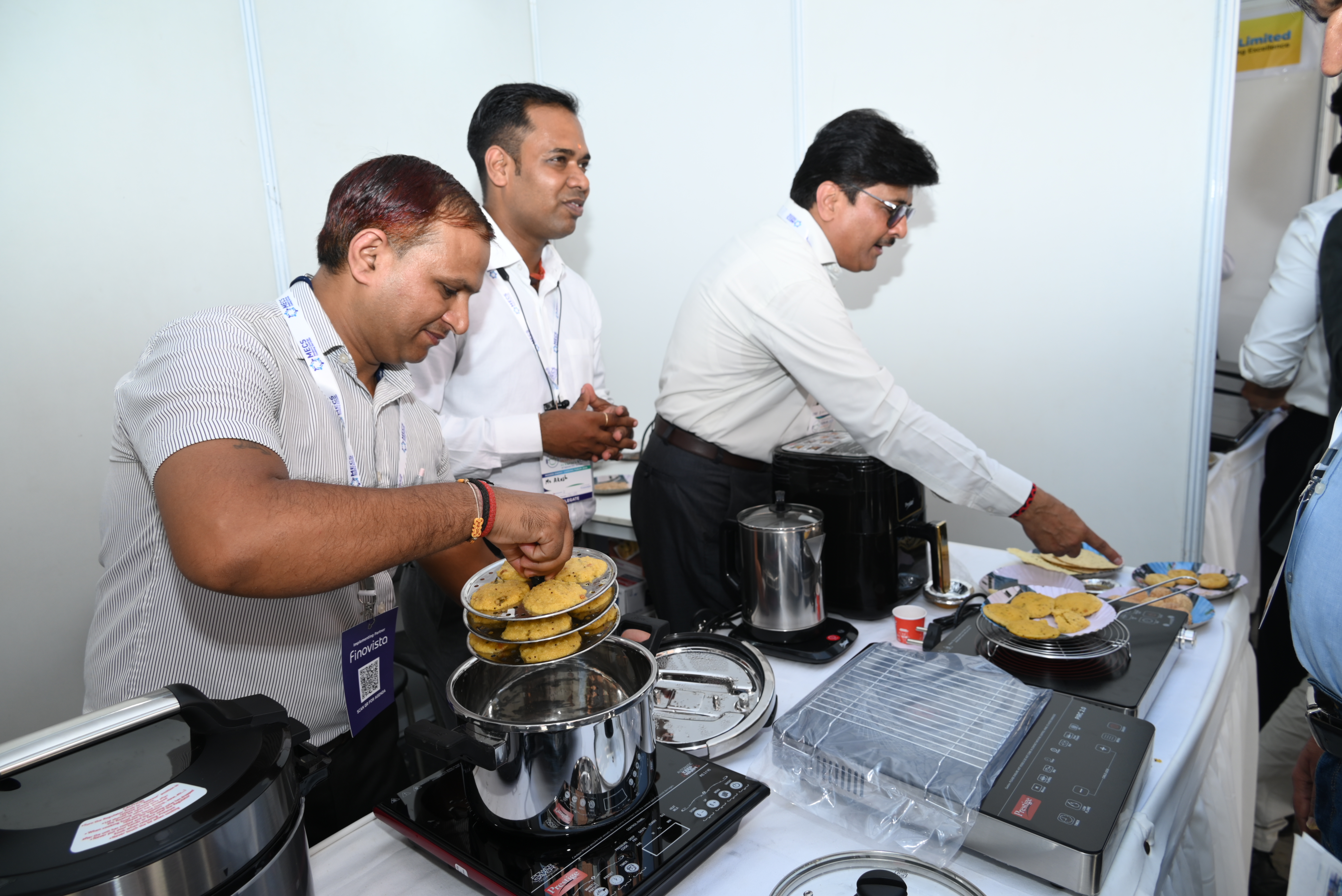
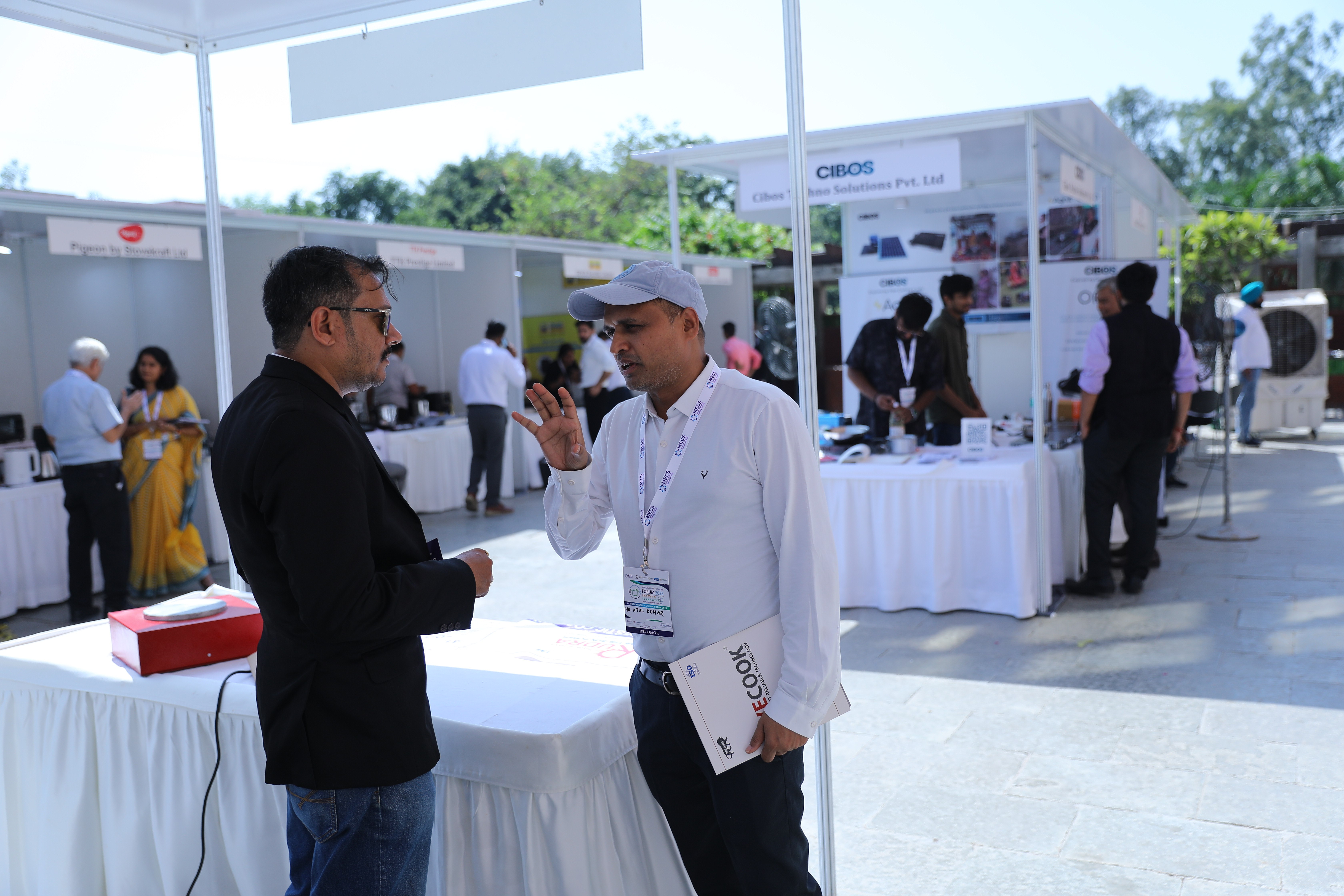
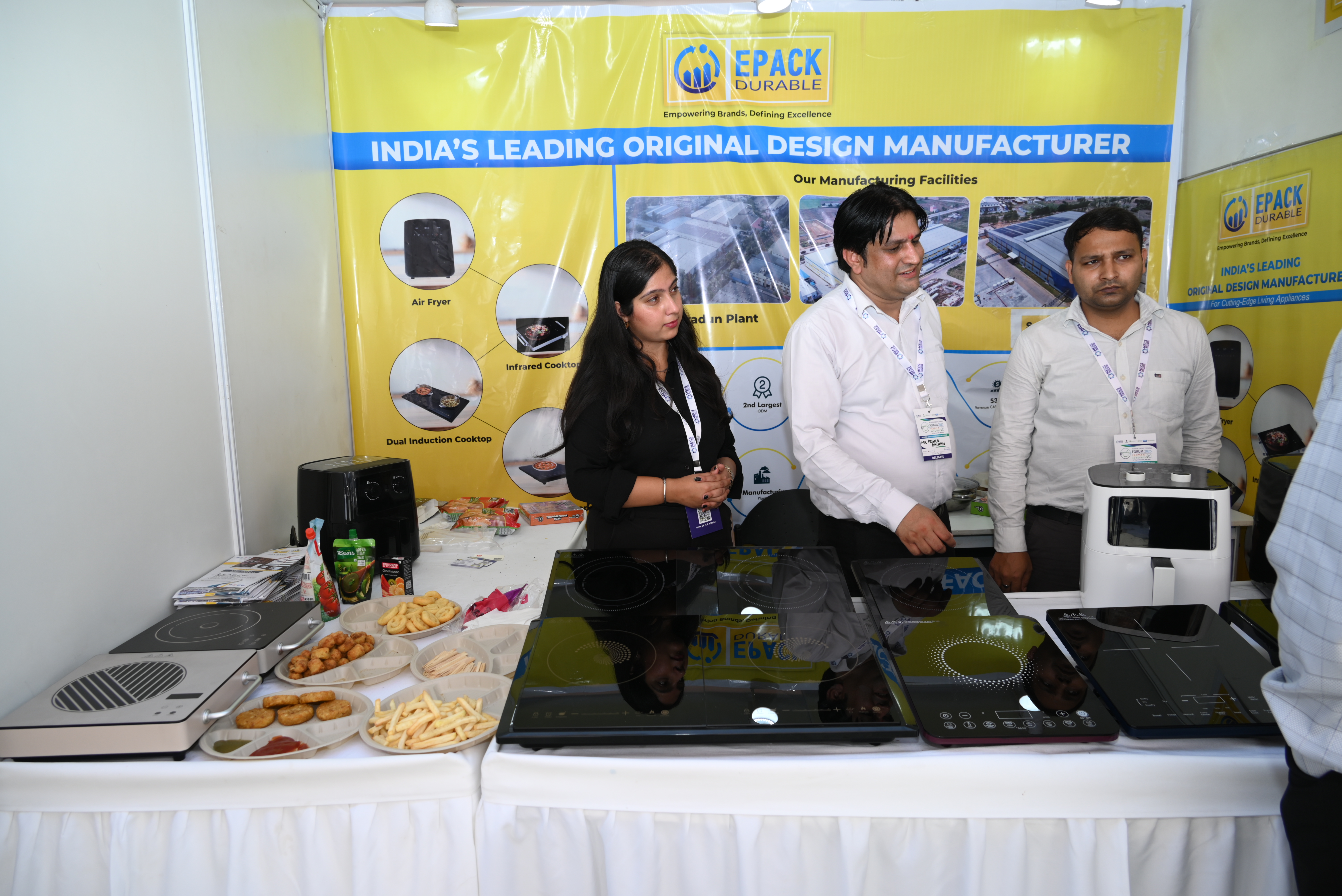
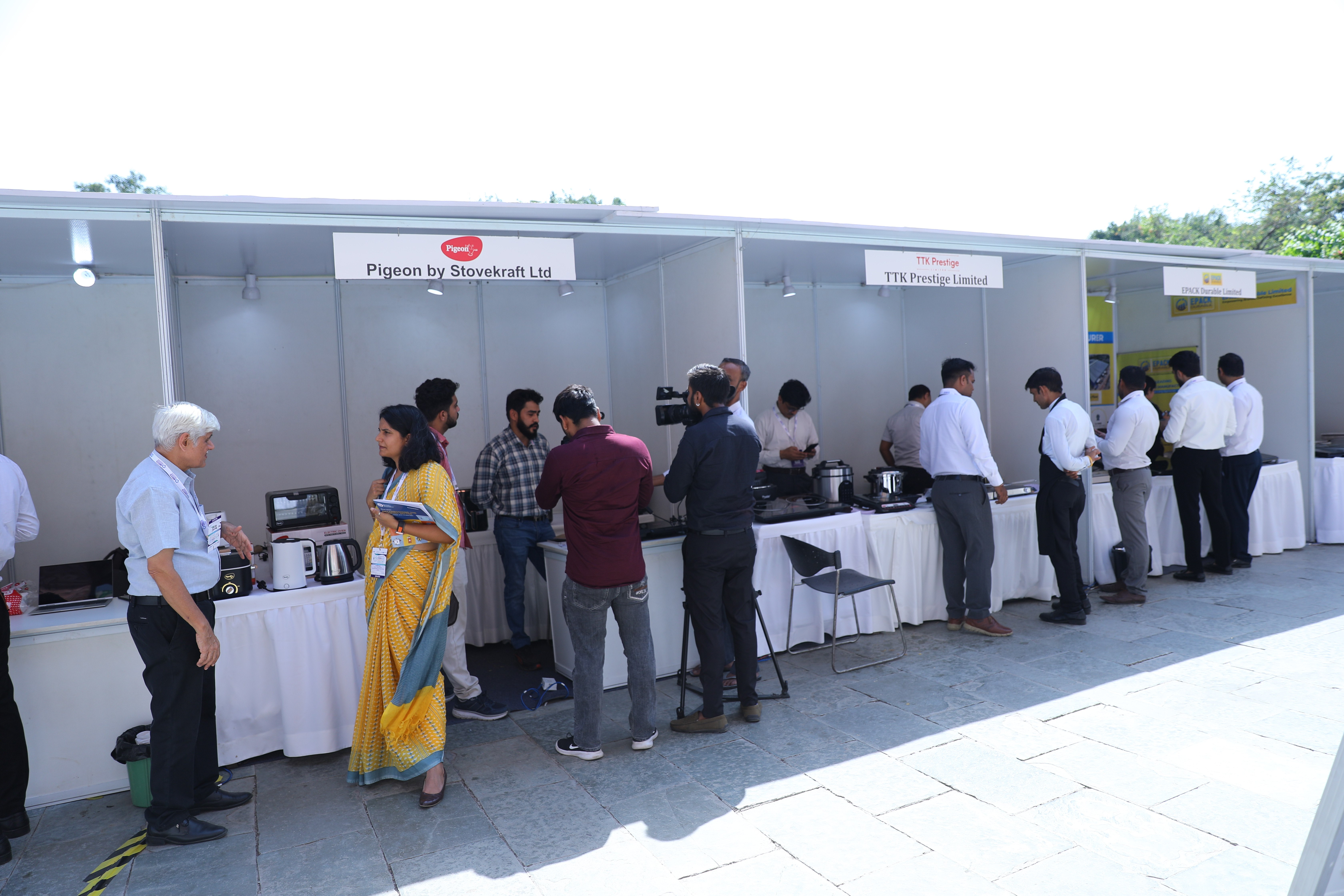
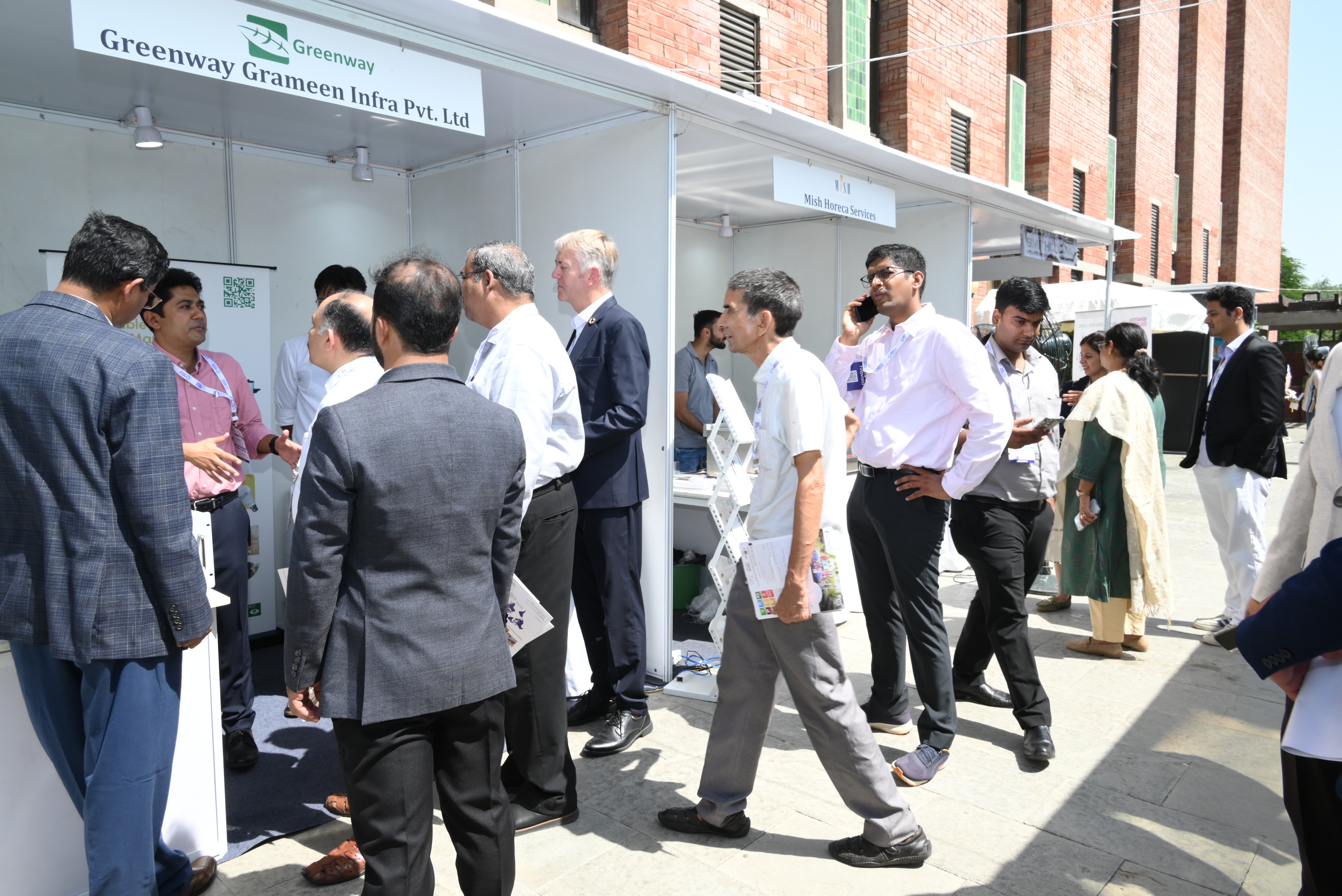
MECF 2025 served as a platform to review MECS’s impact, facilitate the stocktake, and work towards a roadmap for India’s clean cooking sector effectively integrating eCooking into broader energy and climate policies. The discussions covered a wide spectrum of themes, including decarbonising India’s cooking sector, identifying pathways for state-specific clean cooking strategies, advancing Women in Modern Energy Cooking (WMEC), exploring financing mechanisms for clean cooking, and understanding demand-side dynamics and challenges for scaling eCooking adoption. A key highlight of the Forum was the Innovation Pavilion – an exciting showcase of diverse technologies in clean cooking for different consumer segments in India. Live demonstrations of some of these technologies were also available.
It was a day-long forum with panel discussions, cooking technology showcases & demonstrations based on modern fuels and sessions focused on research in clean cooking.